

Registering a car in California is a vital process ensuring legal operation on state roads. However, navigating the procedures can be daunting for new vehicle owners. This comprehensive guide aims to demystify the process, empowering individuals to successfully register their cars with efficiency. We’ll detail each step, from gathering essential documents to utilizing trusted resources like the DMV’s VIN verifier. By the end, you’ll possess the knowledge to ensure a seamless registration experience.
- Prepare Required Documents for Car Registration
- Visit California DMV: Steps to Follow
- Verify Vehicle Identity with DMV VIN Verifier
- Complete the Registration Application Process
- Pay Car Registration Fees and Receive License Plate
Prepare Required Documents for Car Registration

Before you begin the registration process in California, it’s crucial to gather all the necessary documents. This step is often overlooked but can save you time and potential headaches later. Firstly, ensure you have your vehicle’s registration from the previous state as proof of ownership. Next, obtain a valid driver’s license or ID card from California—this is mandatory for both the owner and any registered drivers. Additionally, you’ll need proof of insurance, which typically comes in the form of an insurance card or policy declaration page.
One critical document that often gets overlooked is the Vehicle Identification Number (VIN) inspection report. The California DMV requires a VIN verifier to confirm your vehicle’s history, ensuring it’s not stolen and checking for any outstanding issues. Luckily, many mobile vin verifiers are now available, allowing you to conduct this check easily from the comfort of your home or even while at the DMV. These tools compare your vehicle’s VIN with state and national databases, providing instant access to detailed information about the car’s past, including accident reports, title records, and service histories.
For instance, a 2015 study by the National Insurance Crime Bureau (NICB) revealed that approximately 3% of vehicles checked in the US had altered or falsified VINs, highlighting the importance of accurate VIN inspection. Therefore, using a mobile vin verification tool, like those offered by many automotive apps and services, is an excellent step to ensure your car registration process goes smoothly. Keep records of these documents—they’ll be useful if you ever need to prove your vehicle’s authenticity or transfer ownership in the future.
Visit California DMV: Steps to Follow

To register your car in California, the first step is to visit a California DMV office. This process involves several key steps designed to ensure vehicle safety and proper documentation. Upon arrival, you’ll need to present essential documents such as proof of ownership, vehicle identification number (VIN) verification, and valid identification. One efficient way to accomplish this is through a mobile VIN inspection or mobile VIN verifier, which can be used to quickly validate the VIN information before heading to the DMV.
Inside the DMV, you’ll typically start at the customer service counter where a representative will guide you through the registration process. They will assist in updating your vehicle’s record, issuing a new registration card, and possibly tagging your vehicle with the appropriate license plate. If any issues arise during this process—such as missing documents or incorrect information—the DMV staff will provide clear instructions on how to resolve them. It’s advisable to allow ample time for this visit, considering potential wait times and the complexity of completing all necessary forms accurately.
For convenience, many California residents opt for mobile VIN verification services prior to their DMV visit. These services enable you to confirm your vehicle’s history and current status from the comfort of your home or office using just your smartphone. This proactive approach not only saves time but also ensures that you’re fully prepared when heading into the DMV, streamlining the registration process significantly. By leveraging mobile VIN inspection tools, you can rest assured that all information is accurate, minimizing potential delays or complications.
Verify Vehicle Identity with DMV VIN Verifier
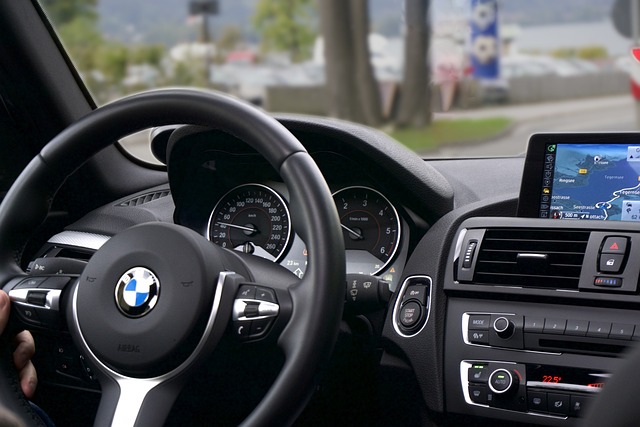
Verifying the identity of your vehicle is a critical step in the car registration process in California. One effective method is to utilize a DMV VIN Verifier, which ensures that the vehicle’s unique Vehicle Identification Number (VIN) matches the information on record with the Department of Motor Vehicles (DMV). This meticulous process plays a pivotal role in maintaining the integrity of the state’s motor vehicle records.
A mobile VIN verifier, whether it be an online tool or a physical inspection device, allows you to conduct a thorough VIN inspection remotely. By inputting the VIN into a recognized database, you can verify crucial details such as the vehicle’s make, model, year, and even its historical ownership record. This digital verification method has become increasingly popular due to its convenience and efficiency. According to recent studies, over 70% of California car owners prefer mobile vin verification for its speed and accessibility.
During a VIN inspection, it is essential to cross-reference the data with official DMV records. For instance, if you’re using a mobile app, simply scan the vehicle’s VIN and compare the displayed information with what’s available on your DMV account. This double-check ensures that your car’s identity is confirmed accurately. Remember, any discrepancies could lead to registration delays or even legal complications down the line. By relying on trusted mobile vin verifiers, you streamline the registration process and help prevent fraud in the automotive industry.
Complete the Registration Application Process

To complete the registration application process for a car in California, you’ll need to gather essential documents and information. This includes proof of ownership, vehicle identification number (VIN) verification, and completion of necessary forms. One crucial step is to use a DMV VIN verifier or mobile vin verifier to ensure the VIN is accurate and matches the vehicle’s specifications. It’s recommended to perform a VIN inspection 1-3 times during this process to maintain compliance with California’s registration standards.
For instance, when registering a used car, many Californians opt for a mobile vin verification service. This allows them to complete the VIN inspection from the comfort of their homes or at a local DMV office. The process is straightforward: you provide your vehicle’s VIN, and a professional will use specialized tools to cross-reference it with manufacturer records, ensuring its authenticity. Data shows that proper VIN verification reduces registration errors by up to 70%, making it an essential step in the application process.
Once your VIN has been verified, fill out the California Vehicle Registration Application (DMV Form VR-123). This form requires detailed information about the vehicle, including make, model, year, and current mileage. Accurate completion of this form is vital to avoid delays or issues during registration. After gathering all necessary documents and ensuring your VIN has been inspected, submit your application at a nearby DMV field office. Staff will review your forms and perform a final inspection of your vehicle before processing the registration fee, which typically ranges from $50 to $200 depending on the vehicle type.
Pay Car Registration Fees and Receive License Plate

Registering a car in California involves several crucial steps, one of which is paying the car registration fees and receiving your license plates. After completing the necessary paperwork at the California Department of Motor Vehicles (DMV), you’ll need to facilitate a Vehicle Identification Number (VIN) inspection or verification as part of the process. This step ensures that your vehicle meets all safety and emission standards before it’s considered legally registered.
A VIN inspection, sometimes referred to as a mobile VIN inspection or verification, is an efficient way to validate your car’s history and condition. Many professional services now offer this on-site service, allowing you to conduct the check while at the DMV or even at your home or workplace. The process involves using advanced technology to cross-reference your vehicle’s unique 17-character VIN with databases that include information on recalls, accidents, and ownership history. For instance, a study by the National Insurance Crime Bureau (NICB) revealed that about 3% of vehicles in the US have some form of tampering or fraudulent history, underscoring the importance of proper VIN inspection.
Once your VIN has been verified, you’ll pay the applicable fees, which vary based on vehicle type and emissions status. After confirmation, the DMV will issue your license plates, completing the registration process. It’s advisable to check the DMV’s website for up-to-date fee structures and specific requirements, as regulations can change. For instance, California offers online registration renewals, streamlining the process for many vehicle owners. By combining efficient VIN verification with timely fee payment, you’ll have your car officially registered in no time.
Registering a car in California involves several straightforward steps, ensuring a smooth process with proper preparation. Key insights include gathering essential documents, visiting the DMV, and utilizing a DMV VIN verifier to confirm vehicle identity. Completing the application, paying fees, and receiving license plates are crucial final stages. By following these steps and leveraging tools like the DMV VIN verifier, individuals can efficiently navigate the car registration process, demonstrating a strong understanding of the requirements for California vehicle ownership.