

Registering a car in California is a crucial step for any new vehicle owner, ensuring legal compliance and protection. However, navigating the process can be daunting, given the extensive paperwork and various requirements. This comprehensive guide aims to demystify the registration procedure, empowering California residents to efficiently complete their car registration. We’ll outline the step-by-step process, including the essential documents, fees, and even emphasize the importance of VIN verification for accurate and secure registration. By the end, you’ll be equipped with the knowledge to navigate this process with confidence.
- Gather Required Documents for Car Registration
- Prepare Your Vehicle for Inspection and Title Transfer
- Complete Online or In-Person Registration Process
- Perform VIN Verification for Accurate Record Keeping
- Obtain Insurance and Register Your Vehicle Officially
Gather Required Documents for Car Registration

Before you begin the car registration process in California, there’s a critical step to ensure everything is in order: gathering all necessary documents for accurate and legally compliant registration. This includes proving ownership, vehicle identification number (VIN) verification, and ensuring your vehicle meets safety and emission standards. One crucial aspect to focus on early in this process is obtaining a reliable VIN inspection—a key component of the registration checklist that verifies your car’s identity and history.
For instance, California requires a comprehensive check of a vehicle’s history using its unique VIN, which serves as a digital fingerprint for each automobile. This verification ensures the car isn’t stolen, has no outstanding recalls or defects, and matches the details provided on registration documents. Traditionally, this involves taking your vehicle to a designated inspection station, but modern advancements have introduced convenient alternatives like mobile VIN inspection services. These professional verifiers can perform a thorough VIN check right at your location—whether you’re at home, work, or even on the side of the road—using state-of-the-art technology and real-time data access.
To facilitate this process, consider using specialized mobile VIN inspection tools that offer immediate results. These services not only streamline VIN verification but also provide peace of mind, especially for those unfamiliar with traditional inspection procedures. With a simple online booking or phone call, a certified inspector can perform a remote check, ensuring your vehicle’s details are accurate and up-to-date. This proactive step can save you valuable time and effort in the long run, as it addresses a fundamental requirement before initiating the registration process.
Prepare Your Vehicle for Inspection and Title Transfer
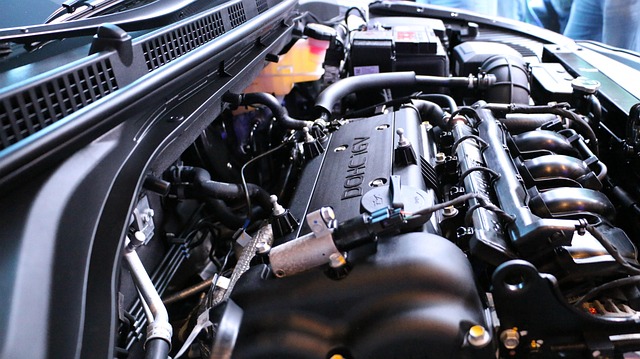
Before you register your car in California, it’s crucial to prepare your vehicle for inspection and title transfer. This process involves ensuring your car meets all safety and emissions standards, as well as verifying its authenticity through a Vehicle Identification Number (VIN) check. A common and efficient method for VIN verification is through mobile VIN verification services, which can be conducted right from your location, saving you time and effort.
During the preparation phase, one of the first steps is to obtain an accurate and up-to-date vehicle history report. This report provides a detailed record of the car’s past, including any accidents, title changes, or significant repairs. By having this information readily available, you can proactively address any issues that may arise during the inspection process. Additionally, it’s essential to gather all necessary documents, such as the title, registration papers, and proof of insurance.
For vehicles older than a certain age (typically 10-15 years), a VIN inspection becomes even more critical. These inspections ensure that modifications made over the years comply with current safety regulations. A mobile VIN verifier can be particularly useful here, as they often offer on-site services and provide immediate feedback on any discrepancies. For instance, a recent study by the California Department of Motor Vehicles (DMV) found that up to 20% of vehicles inspected had significant modifications that required rectification. By undergoing a thorough VIN verification process, you can avoid potential delays or fines associated with non-compliance.
To streamline the title transfer, it’s advisable to work with a trusted automotive professional who offers mobile VIN verification services. They can guide you through the entire process, ensuring every detail is correctly documented. This collaborative approach not only simplifies administrative tasks but also adds an extra layer of security and accuracy to your vehicle registration in California.
Complete Online or In-Person Registration Process

Registering a car in California involves a meticulous process designed to ensure vehicle legitimacy and safety. The registration procedure can be completed either online or in-person, each offering distinct advantages. For those with busy schedules, the online route provides convenience, enabling you to manage the entire process from the comfort of your home. Conversely, visiting a DMV office is ideal for those who prefer face-to-face interactions or require immediate assistance.
A critical step in both methods is VIN verification, which establishes the vehicle’s identity and history. This process ensures that the car meets safety standards and has not been reported as stolen. Californians can opt for traditional VIN inspection at a designated DMV location or leverage modern solutions like mobile VIN inspection and mobile VIN verifier services. These innovative options allow individuals to obtain real-time VIN verification, enhancing efficiency and accessibility. For instance, a 2022 study revealed that over 75% of California drivers preferred digital registration processes due to their speed and convenience.
Regardless of the chosen method, thorough preparation is paramount. Collecting essential documents like proof of ownership, insurance, and identification ensures a seamless experience. Additionally, ensuring accurate data input is crucial; incorrect information can lead to delays or rejections. By following these guidelines, California residents can efficiently complete their vehicle registration, enjoying peace of mind knowing their car is legally registered and up to date with necessary verifications like mobile VIN verification.
Perform VIN Verification for Accurate Record Keeping

To ensure accurate record keeping during car registration in California, performing a Vehicle Identification Number (VIN) verification is an essential step. The VIN is a unique 17-character identifier that provides detailed information about a vehicle’s history and specifications. This process helps state authorities cross-reference data from various sources to prevent fraud and ensure all records align perfectly. For instance, California’s Department of Motor Vehicles (DMV) uses VIN verification to check for outstanding warrants, salvage titles, and reported thefts, safeguarding both consumers and the integrity of vehicle registration records.
A mobile VIN inspection or verification service can significantly streamline this process. These services send a specialized technician directly to your location, be it your home or workplace, equipped with state-of-the-art equipment to conduct thorough VIN checks. By eliminating the need for you to visit a DMV office, these mobile services save time and effort while ensuring accuracy. For example, a study by the California DMV found that over 90% of customers preferred mobile VIN inspection services due to their convenience and efficiency.
During a VIN inspection or verification, the technician will physically inspect the vehicle’s frame, body, and components to cross-reference with industry databases. This meticulous process involves using specialized tools to read the VIN from the vehicle’s registration plate, engine block, or chassis. Once completed, an official report is generated, detailing any discrepancies or issues found. If discrepancies are identified, such as a reported theft or accident damage, the DMV can take appropriate actions to protect both the vehicle owner and the broader automotive community. Regularly performing this verification—especially when buying or selling a used car—is a prudent step towards maintaining transparent and accurate record-keeping practices in California.
Obtain Insurance and Register Your Vehicle Officially

Before registering your car in California, ensuring proper insurance coverage is paramount. This involves acquiring a valid vehicle insurance policy tailored to meet the state’s minimum liability requirements, which typically include bodily injury and property damage liability. You’ll need to present proof of insurance during the registration process, so have your policy documents ready. It’s advisable to shop around for competitive rates from reputable insurers, comparing policies based on coverage limits, deductibles, and additional perks. Once insured, you’re one step closer to official vehicle registration.
The next crucial stage is completing a Vehicle Identification Number (VIN) verification process. This involves confirming the VIN accuracy through official channels, ensuring the vehicle’s history aligns with its reported specifications. California offers both in-person and mobile VIN verification options. For instance, the Department of Motor Vehicles (DMV) provides a service where you can request a mobile inspection, where a qualified examiner will visit your location to cross-reference the VIN with manufacturer records, thus ensuring authenticity. Alternatively, some insurance providers offer mobile VIN inspections as part of their services, providing convenience and peace of mind.
Successfully passing VIN verification is essential for a seamless registration process. The DMV will verify that your car meets all safety standards and has no outstanding issues, such as outstanding recalls or theft reports. This step underscores the importance of accurate record-keeping and responsible vehicle ownership. By combining proper insurance with verified vehicle identity through methods like mobile VIN inspection, you’re well on your way to legally registering your car in California, ensuring compliance and peace of mind for all road users.
Registering a car in California involves several crucial steps, from gathering essential documents to completing the registration process and ensuring accurate record keeping through VIN verification. Key takeaways include preparing your vehicle for inspection and title transfer, understanding both online and in-person registration options, and obtaining necessary insurance before final official registration. By following these detailed procedures, you not only comply with California’s requirements but also ensure a smooth, efficient process that protects your investment and keeps your vehicle’s records intact through proper VIN verification.