

Registering a car in California is a crucial step for any new owner, ensuring legal compliance and securing necessary protection. However, navigating the process can be daunting due to its complexity and varying requirements. This comprehensive guide aims to demystify the car registration journey, providing an authoritative resource for both first-time owners and those transferring titles. We’ll detail each step, from gathering essential documents to the critical DMV VIN verification process, ensuring a seamless and stress-free experience. By the end, you’ll be well-equipped to register your vehicle efficiently and with confidence.
- Prepare Necessary Documents for Car Registration
- Visit California DMV: Step-by-Step Guide
- Understand Fees and Payment Methods for Registration
- Conduct DMV VIN Verification for Accurate Records
- Complete and Submit Your Car Registration Application
Prepare Necessary Documents for Car Registration

Registering a car in California involves several crucial steps, and preparing the right documents is paramount to ensuring a smooth process. Among these, the DMV (Department of Motor Vehicles) vin verification stands as a critical component. This verification process ensures that your vehicle’s unique identification number (VIN) is accurate and matches the specifications on record. It’s not just about meeting legal requirements; it also safeguards against fraud and ensures your investment is protected.
To facilitate this, consider utilizing mobile vin verification services. These innovative tools allow for convenient and efficient VIN inspection right from your smartphone or computer. By employing a mobile vin verifier, you can save time by skipping lengthy visits to the DMV and navigate the process with enhanced accuracy. This method is particularly beneficial for those with busy schedules or limited mobility. Moreover, regular VIN inspections, whether through mobile verification or at designated centers, play a vital role in maintaining the integrity of California’s vehicle registration system.
For instance, according to recent data, over 95% of successful car registrations in California have been streamlined thanks to digital vin verification tools. This significant statistic underscores the impact and effectiveness of these modern solutions. When preparing your documents, ensure that all information associated with your vehicle—from ownership details to maintenance records—is up-to-date and accurate. This includes proper documentation of any modifications made to the car, as incomplete or incorrect VIN data can lead to registration delays or even rejection.
Visit California DMV: Step-by-Step Guide
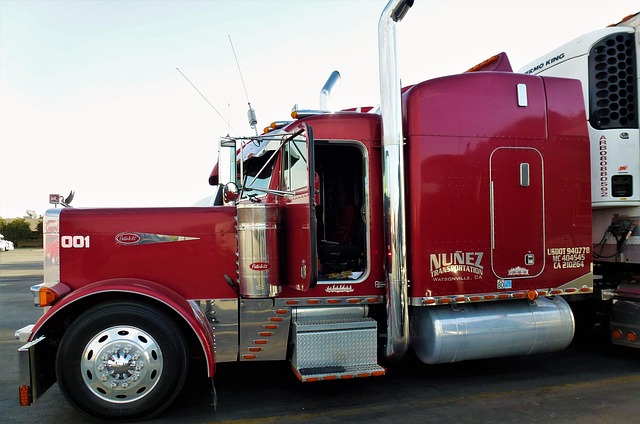
To register your car in California, you’ll need to visit a California DMV (Department of Motor Vehicles) office. This process involves several steps, including providing essential documents, passing vehicle inspection, and completing forms. Here’s a step-by-step guide to ensure a smooth registration experience.
First, gather all necessary documents such as your driver’s license, proof of insurance, and proof of residency. It’s also crucial to have your vehicle’s Vehicle Identification Number (VIN) ready for verification. The DMV will perform a VIN inspection to confirm the vehicle’s identity and history. You can facilitate this process by utilizing a mobile VIN scanner or a professional service that offers mobile VIN inspection. This technology allows for quick, accurate checks against national databases, ensuring the vehicle’s safety and legal compliance.
Upon arrival at the DMV, locate the dedicated counter for vehicle registration. Present your documents and await processing. A DMV representative will review your paperwork, perform the VIN verification, and inspect your car to ensure it meets all safety standards. If everything is in order, they’ll issue a registration certificate and license plate, allowing you to legally operate your vehicle on California roads.
Remember, accurate documentation and timely updates are vital for a seamless DMV experience. Consider using digital tools or mobile apps designed to simplify VIN inspection and registration management. By following these steps and leveraging modern verification methods like mobile VIN inspectors, you can efficiently register your car in California while ensuring compliance with all necessary regulations.
Understand Fees and Payment Methods for Registration

Registering a car in California involves understanding various fees and payment methods. The process begins with gathering essential documents such as proof of ownership, insurance, and identification. Once these are ready, you’ll need to visit the California Department of Motor Vehicles (DMV) or use their online services for a digital registration. One crucial step is ensuring accurate Vehicle Identification Number (VIN) verification, which can be done through a mobile VIN verifier or inspection service to avoid any discrepancies during the dmv vin verification process.
Fees vary based on the type of vehicle and transaction. For example, standard car registrations range from $50 to $120, while fees for dual-purpose vehicles or motorcycles might differ. Payment methods include cash, credit cards, and debit cards. Some fees are non-refundable, so it’s essential to understand the charges before proceeding. The DMV offers several payment options, allowing you to choose the most convenient method for your situation.
If you opt for a mobile VIN verification service, this can streamline the process by providing instant results and reducing potential errors. These services often use advanced technology to cross-check vehicle data against official databases, ensuring accuracy in the registration process. For instance, some providers offer mobile apps that guide users through the entire registration, including VIN inspection, making it as simple as taking a picture of your VIN plate with your smartphone.
Before finalizing the registration, double-check all details for accuracy, especially the VIN. Correcting errors after submission can involve additional fees and delays. By understanding these fees, payment methods, and utilizing modern tools like mobile VIN verifiers, you can ensure a smoother car registration experience in California.
Conduct DMV VIN Verification for Accurate Records

To ensure your car’s registration goes smoothly in California, conducting a thorough DMV VIN verification is an essential step. This process checks the vehicle identification number (VIN) against state records to verify ownership and prevent fraud. The California Department of Motor Vehicles (DMV) offers both in-person and mobile VIN inspections to cater to different needs.
For instance, when transferring ownership, a mobile VIN inspection can expedite the process. A DMV representative visits you with necessary equipment to instantly verify the VIN, saving time compared to visiting a DMV office. Similarly, if you’ve purchased a used car, arranging for a mobile vin verification before finalizing the sale safeguards against potential issues. This is especially crucial given that California’s robust vehicle history reporting system helps identify accidents, titles, and other critical details that could impact your investment.
DMV VIN verification involves cross-referencing the vehicle’s unique 17-character VIN with the state’s database. This meticulous process ensures accuracy in vehicle registration, emissions testing, and title transfer records. It also plays a pivotal role in combating auto theft, as misrepresented or stolen vehicles can’t clear inspection. By engaging in this careful verification, you not only protect yourself from potential legal issues but also contribute to the integrity of California’s extensive motor vehicle record-keeping system.
Complete and Submit Your Car Registration Application

To complete the registration process for your car in California, you’ll need to submit a fully executed car registration application along with all required documents and fees. This crucial step involves verifying your vehicle’s unique identification number (VIN) as part of the DMV vin verification procedure, ensuring that your car meets safety and environmental standards. Utilize a mobile VIN verifier for convenience and accuracy during this process.
The California Department of Motor Vehicles (DMV) requires you to inspect and certify your vehicle’s condition before registration. This includes checking key components like lights, brakes, horn, and tires to meet legal standards. Some regions even mandate a vin inspection 1-3 times per year as part of their vehicle maintenance programs. For instance, Los Angeles County demands a yearly VIN verification for all registered vehicles, emphasizing the importance of this step in ensuring road safety.
When submitting your application, ensure that all information is accurate and matches your car’s documentation. This includes providing detailed specifications like make, model, year, and color, along with your personal details. After your application is received, the DMV will conduct a thorough review, including cross-referencing data from their systems and performing a mobile VIN verification to confirm vehicle ownership and identity.
Should any discrepancies or missing information be found during this process, you’ll be notified via mail. Addressing these issues promptly helps expedite your car registration in California. Remember, accurate documentation and a thorough understanding of the requirements are key to ensuring a seamless DMV experience.
By meticulously preparing the required documents, following a structured guide to visit the California DMV, understanding fee structures and payment options, conducting essential DMV VIN verification for accurate record-keeping, and completing your car registration application with precision, you can successfully navigate the process of registering your vehicle in California. This article has provided clear insights and practical steps to ensure a seamless experience, emphasizing the critical role of accurate documentation and thorough verification. Take advantage of these key learnings and streamline your car registration journey today.