

Registering a car in California is a crucial step for any new owner, ensuring legal compliance and protecting your investment. However, navigating the process can be challenging, with various requirements and paperwork involved. This comprehensive guide aims to demystify the procedure, offering expert insights on every step. We’ll walk you through gathering essential documents, understanding fees, and even emphasize the critical role of Vehicle Identification Number (VIN) verification for accuracy and security. By following these steps, you’ll ensure a smooth registration process, providing peace of mind for California’s roads ahead.
- Prepare Necessary Documents for Car Registration
- Locate Your Vehicle's VIN for Verification
- Gather Information: Insurance, Title, and DMV Requirements
- Visit a California DMV Office or Use Online Services
- Complete the Registration Process: Payment and Final Checks
Prepare Necessary Documents for Car Registration

Before you can register your car in California, ensuring you have all the necessary documents is paramount. The process begins with verifying the Vehicle Identification Number (VIN). This unique 17-character code is a crucial identifier for your vehicle and is essential for registration. One effective method to facilitate this step is by utilizing a mobile VIN inspection service. These services offer convenience, often allowing you to verify the VIN digitally, which can save time and effort compared to traditional methods.
For instance, consider a scenario where you’ve recently purchased a used car from an out-of-state seller. In such cases, obtaining a reliable VIN inspection is vital before proceeding with registration. A mobile vin verifier can swiftly check the vehicle’s history, including its previous owners and maintenance records. This data ensures that the car meets all legal requirements, reducing potential delays during the registration process at the California Department of Motor Vehicles (DMV).
Having the right documents ready, such as proof of ownership, insurance, and identification, is key to a smooth registration experience. It’s important to note that specific documentation needs may vary based on your vehicle’s age and type. For example, classic cars or vehicles with unique historical significance might require additional paperwork. Always consult the DMV guidelines or seek expert advice if you’re unsure about any aspect of document preparation.
Locate Your Vehicle's VIN for Verification
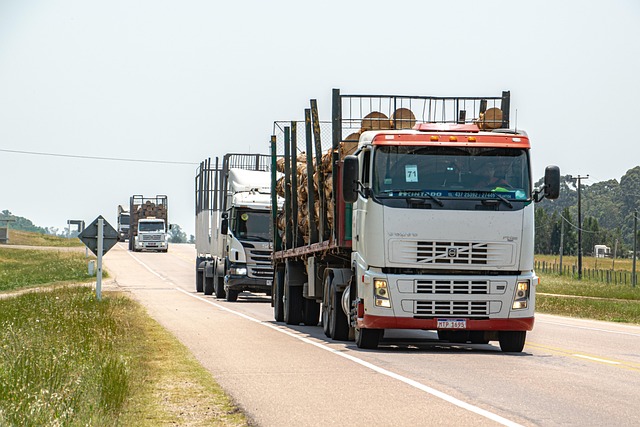
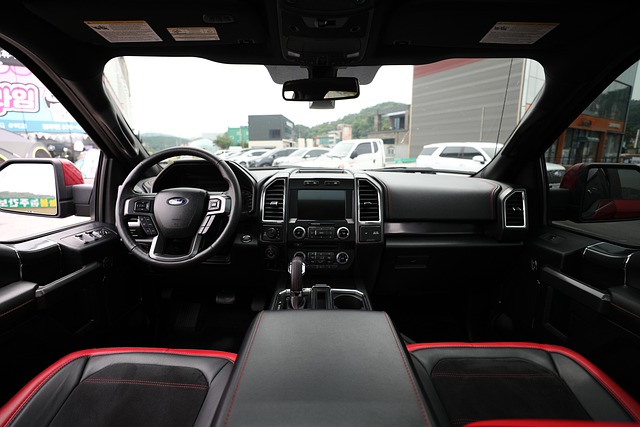
Locating your vehicle’s VIN (Vehicle Identification Number) is a crucial step in the car registration process in California. This unique 17-character code acts as a fingerprint for your vehicle, essential for verifying its authenticity and history. During registration, you’ll need to provide this number for documentation purposes. Thankfully, accessing your VIN doesn’t have to be a daunting task. Many modern vehicles display it prominently on a label inside the driver’s door or near the glove compartment. Check these common locations first, especially if your car is newer. If you’re having trouble finding it there, consider consulting your vehicle’s owner manual, which often includes the VIN.
For older cars or those without readily accessible labels, modern technology offers solutions like mobile VIN verifiers. These apps or services allow you to retrieve a VIN using your smartphone by scanning a vehicle’s registration plate or looking up the number in a database. For instance, some popular mobile VIN inspection tools provide detailed vehicle information, including history reports and current value estimates, which can be invaluable when preparing for registration.
In California, accurate VIN verification is essential during the registration process to prevent fraud and ensure compliance with state regulations. It’s recommended to conduct this check early in the registration procedure, as it saves time and effort by identifying any potential issues before submitting your application. Whether you’re doing it manually or using a mobile VIN inspection tool, ensuring your vehicle’s identification number is accurate and available will streamline the registration process, making it easier for both you and the California Department of Motor Vehicles (DMV).
Gather Information: Insurance, Title, and DMV Requirements
Before registering your car in California, gathering the necessary information is crucial. This process involves verifying key documents, including insurance details, the vehicle’s title, and meeting DMV requirements. One critical step is ensuring accurate Vehicle Identification Number (VIN) verification. This process establishes ownership and provides essential data about the car’s history, which can be achieved through mobile VIN verification or a traditional inspection at a DMV office.
For instance, California requires a valid insurance certificate when registering a vehicle. Insurers typically provide this document, detailing coverage limits, deductibles, and policy terms. Additionally, you’ll need the vehicle’s title, which proves legal ownership. Obtaining these documents is essential, as the DMV will verify their authenticity during the registration process. A mobile VIN inspection can be beneficial here, offering convenience by allowing the verification to occur at your location.
The California Department of Motor Vehicles (DMV) also mandates specific forms and fees for registration. You’ll need to complete application forms, providing personal details and vehicle specifications. One critical aspect is accurately recording the VIN, which serves as a unique identifier for the car. This information is verified against state records, ensuring compliance with environmental standards and safety regulations. Mobile VIN inspection services can assist in this process, as they can quickly confirm the VIN’s validity and accuracy, streamlining your registration experience.
Visit a California DMV Office or Use Online Services
Registering a car in California involves several steps, but visiting or using services at a California Department of Motor Vehicles (DMV) office is a crucial part of the process. You can choose between in-person visits and online services, depending on your preference and circumstances. In-person visits offer immediate feedback and document verification, while online services provide convenience and speed for those with valid personal identification numbers (PINs).
When considering an in-person visit, it’s advisable to schedule an appointment beforehand, as this can significantly reduce wait times. Bring all necessary documents, such as the title, registration weight certificate|certificate|weight, and proof of insurance. A key step during your visit is the VIN verification process, where a California DMV official will inspect your vehicle’s unique 17-character Vehicle Identification Number (VIN) to ensure its authenticity. This inspection, often conducted using mobile VIN verification tools, plays a vital role in preventing fraud and ensuring compliance with state regulations.
For instance, if you’re registering a classic car or a vehicle with a modified chassis, the DMV may require additional documentation and inspections, including detailed maintenance records and specialized VIN inspections. In such cases, utilizing a mobile VIN inspection service can be beneficial, as it allows for on-site verification, streamlining the registration process. Online services, meanwhile, offer a user-friendly interface where you can input your vehicle’s details, upload documents, and track the status of your registration application. These digital tools are particularly appealing to those who prefer a seamless, paperless experience.
Complete the Registration Process: Payment and Final Checks

Completing the registration process involves a critical step: payment and final checks. After gathering all necessary documents, it’s time to verify your vehicle’s key details through a process known as VIN verification. This is where a mobile VIN verifier or inspection service can significantly streamline the procedure. By utilizing these innovative tools, you can have your vehicle’s VIN (Vehicle Identification Number) checked remotely, ensuring its accuracy and saving you valuable time.
For instance, many online platforms now offer mobile VIN services, allowing you to verify your car’s history from the comfort of your home or even during a test drive. This modern approach is particularly beneficial for busy individuals who may not have the time to visit a DMV office. A simple online transaction can be followed by a quick mobile inspection, making the entire process efficient and convenient.
During this phase, ensure you have all required fees ready. California charges a fee for registration, which varies based on vehicle type and emissions status. It’s crucial to pay attention to any additional costs associated with optional services or specific vehicle characteristics. Once payment is confirmed, conduct a thorough final check of your documents and vehicle condition to prevent any delays. This includes verifying that all lights function correctly, the registration stickers are in place, and there are no outstanding issues from previous inspections.
By following these steps diligently, you’ll be well on your way to successfully registering your car in California. A seamless process ensures not only legal compliance but also peace of mind knowing that your vehicle’s documentation is up-to-date and accurate, thanks to modern verification methods like mobile VIN services.
Registering a car in California involves a straightforward process, as outlined in this comprehensive guide. Key insights include preparing essential documents, such as proof of insurance and vehicle title, and obtaining your Vehicle Identification Number (VIN) for verification. VIN verification is a crucial step ensuring the vehicle’s authenticity and history. You can opt to visit a DMV office or utilize online services, both of which streamline the process. Ultimately, completing the registration involves making payments and undergoing final checks, solidifying your vehicle’s legal status in the state of California.