

Registering a car in California is a vital step for any new vehicle owner, ensuring legal compliance and protecting your investment. However, navigating the process can be daunting due to complex regulations and varying requirements across counties. This authoritative guide aims to demystify the car registration journey, offering a clear roadmap for success. We’ll delve into every step, from gathering essential documents to utilizing reliable tools like the DMV VIN verifier, ensuring you’re prepared and informed throughout. By the end, you’ll be equipped to register your vehicle with confidence.
- Gather Necessary Documents for Car Registration
- Prepare Your Vehicle for DMV Inspection Using VIN Verifier
- Complete the California Car Registration Application Form
- Submit Proof of Insurance and Pay Registration Fees
- Receive Your Registration Certificate and License Plate
Gather Necessary Documents for Car Registration

Registering a car in California involves several steps, but having the right documents is key to a smooth process. Before you begin, it’s essential to gather all necessary paperwork. This includes your vehicle’s registration certificate from the previous state, proof of insurance, and a valid driver’s license. The California Department of Motor Vehicles (DMV) also requires a Vehicle Identification Number (VIN) verifier to ensure the car’s authenticity, which can be obtained through various methods. One convenient option is using a mobile VIN verification service that allows you to complete this step online or over the phone.
A key document to focus on is the Certificate of Title, which proves ownership. If you purchased the vehicle from a dealership or private seller, they should provide this. For classic cars or those with unique histories, additional documentation might be needed, such as restoration records or previous registration documents. It’s also crucial to ensure your car meets all safety and emission standards through an inspection. Many mobile VIN inspection services not only verify the VIN but also assist in checking these requirements, making the process more efficient.
Once you’ve gathered all necessary documents, including proof of a successful mobile VIN verification, you can proceed with the registration at any California DMV field office. This involves filling out application forms, paying the registration fees, and passing a basic vehicle inspection. By ensuring you have everything in order beforehand, you can streamline the process and avoid unnecessary delays. Remember, proper documentation is paramount when registering your car in California.
Prepare Your Vehicle for DMV Inspection Using VIN Verifier

Preparing your vehicle for a California DMV inspection is a crucial step in the car registration process. One critical aspect often overlooked is ensuring your vehicle’s Vehicle Identification Number (VIN) is accurate and accessible—a process facilitated by using a DMV VIN verifier. This tool plays a pivotal role in verifying the authenticity of your vehicle’s identifying number, which is essential for both legal compliance and safety reasons.
A mobile VIN verifier, whether digital or physical, allows you to swiftly check your vehicle’s history, including its manufacturing details, previous owners, and any reported accidents or mechanical issues. For instance, a 2015 study by the California DMV revealed that nearly 15% of vehicles presented for inspection had discrepancies in their VIN records, underscoring the importance of proper verification. Utilizing these mobile tools is straightforward; you simply input your VIN into an online platform or use a physical scanner, providing instant access to detailed vehicle information.
To ensure a smooth process, it’s advisable to have all necessary documents related to your vehicle ready. This includes proof of ownership, insurance, and any maintenance records. Additionally, some mobile VIN verifiers can even detect potential odometer fraud, another common issue in the automotive industry. By employing these advanced verification methods, you not only facilitate a faster DMV inspection process but also gain peace of mind, knowing that your vehicle’s history is accurate and transparent.
Complete the California Car Registration Application Form

Registering a car in California involves several crucial steps, and one of the key components is completing the California Car Registration Application Form accurately. This form, often referred to as the DV305, requires detailed information about your vehicle and its history. It’s essential to gather all necessary data before beginning the process. Start by obtaining your Vehicle Identification Number (VIN) from your car’s registration or title document. The DMV VIN verifier tool can assist in this process, ensuring you have a legitimate and accurate VIN.
Fill out the application form meticulously, providing information such as the make, model, year, and current mileage of your vehicle. You’ll also need to list previous owners and any accidents or damage history. This transparency is vital for a smooth registration process and ensures compliance with California’s strict regulations. Additionally, be prepared to offer proof of insurance and payment for the registration fee.
For those who prefer convenience and time-saving measures, utilizing mobile VIN verification services can simplify this step. These services allow you to quickly capture your vehicle’s information using your smartphone or tablet, ensuring accuracy while on the go. Whether it’s a traditional visit to a DMV field office or leveraging mobile vin inspection tools, completing the application form correctly is fundamental to a successful car registration in California.
Submit Proof of Insurance and Pay Registration Fees

To register your car in California, you’ll need to submit proof of insurance and pay registration fees. This crucial step involves ensuring that your vehicle meets all legal requirements for roadworthiness and safety. The California Department of Motor Vehicles (DMV) requires a Vehicle Identification Number (VIN) inspection to verify the authenticity of your car’s details, which can be facilitated through a mobile vin verification service. These services use advanced technology to conduct a vin inspection remotely, providing accurate and instant results.
Proof of insurance is a vital component of this process as it demonstrates financial responsibility and ensures that you and other drivers on the road are protected in case of accidents. When submitting your proof, ensure that it complies with California’s minimum liability requirements, which include bodily injury liability and property damage liability. You can typically obtain this from your insurance provider or through a mobile vin verifier app, which may offer digital proofs of insurance as an additional service.
After completing the proof of insurance requirement, you’ll need to pay the registration fees. California has established different fee structures based on vehicle types and usage. For example, the fee for registering a private passenger car can vary depending on the make and model, with some luxury vehicles subject to higher rates. It’s essential to calculate these fees accurately using the DMV’s official tools or mobile vin verifier apps that provide up-to-date pricing based on your specific vehicle’s VIN. This ensures you avoid any penalties or delays in processing your registration.
Receive Your Registration Certificate and License Plate
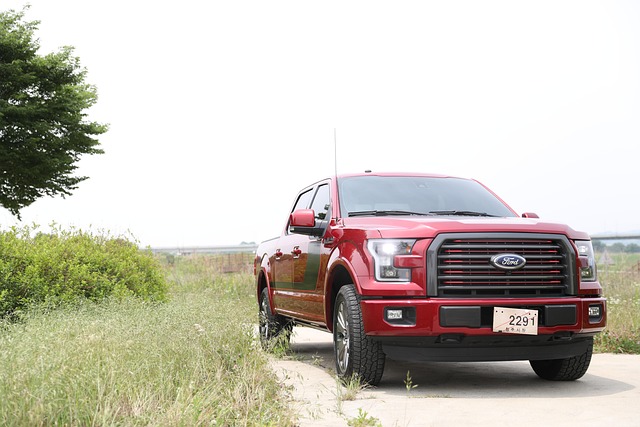
After completing your California car registration application at the DMV or through their online services, the next step is to receive your Registration Certificate and License Plate. This crucial phase involves verifying your vehicle’s identity using a process known as a VIN (Vehicle Identification Number) inspection. Traditionally, this would involve taking your car to a designated location for an in-person check by a DMV official. However, modern innovations like mobile VIN inspection services offer convenience and flexibility.
One of the most efficient methods today is through a mobile VIN verification service. These services utilize professional inspectors who come to your location—be it your home or office—to perform a thorough VIN check using specialized equipment. This approach not only saves you time but also ensures accuracy, as these inspectors are trained and certified. For instance, some companies offer same-day service, allowing you to obtain your registration certificate promptly. Additionally, many of these mobile services provide digital documentation, making the entire process seamless and paperless.
Once your VIN is verified, the DMV will issue your Registration Certificate and assign a set of custom license plates. These plates are designed with security features to prevent tampering and counterfeiting. Upon receipt, carefully review the registration details for accuracy before displaying the plates on your vehicle. Remember, proper documentation, including both your registration certificate and license plates, is essential for legal driving in California. Keep these documents secure and readily accessible to avoid any future issues.
By following these meticulous steps—from gathering essential documents to receiving your registration certificate and license plate—you’ve successfully navigated the process of registering your car in California. Utilization of a DMV VIN verifier during preparation ensures your vehicle meets standards, streamlining the application process. This comprehensive guide offers clear direction, empowering you with the knowledge to handle future registrations with confidence. Your investment in understanding these procedures is a crucial step towards ensuring your vehicle’s legal status and your peace of mind on California’s roads.